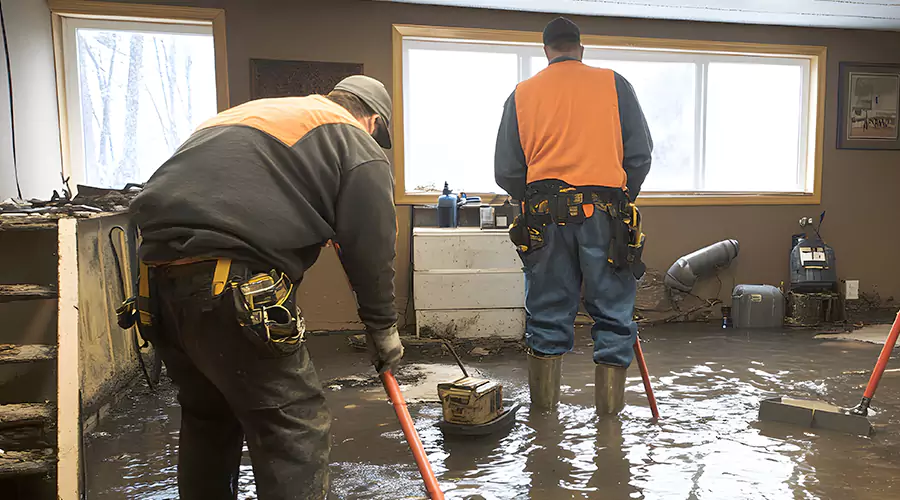




Water intrusion can spell serious trouble for any property — but not all water damage is the same. Floodwater damage and plumbing leak damage may both involve water entering your home or business, yet they differ in origin, scale, risk level, insurance coverage, and restoration needs. Understanding these differences helps you react the right way, protect your property, and work smoothly with insurance and restoration professionals.
Floodwater damage happens when water enters from outside your property, usually due to natural or large‑scale environmental events. Common causes include:
This type of damage typically affects large areas — often entire neighborhoods or multiple properties — and is considered flood damage under most insurance and disaster‑response definitions. Prompt Flood Restoration is crucial to minimize structural damage and prevent long‑term problems.
Plumbing leak damage comes from internal systems inside your property. Typical plumbing‑related causes include:
Unlike floodwater, a plumbing leak usually starts inside a wall, floor, or utility fixture and initially stays localized to one part of the structure.
Floodwater tends to enter from the bottom up — through foundations, doors, windows, and low openings — and can:
Flooding can overwhelm landscaping, basements, and ground‑level spaces rapidly due to sheer volume and external pressure.
Plumbing leaks, by contrast, often:
Because the source is internal, the migration path of water is more predictable — following plumbing lines, wall cavities, and joints.
Floodwater is frequently contaminated — it may carry:
Because floodwater usually originates from natural sources and travels across open land before entering buildings, it often falls under Category 3 "black water," the most hazardous type of water according to industry standards. This requires strict safety measures and biohazard cleanup during restoration.
Plumbing leaks usually involve clean or slightly contaminated water — especially at first. Water from a busted pipe or appliance line is typically safe but can become contaminated if it sits and stagnates or comes into contact with building materials. Over time, even clean leaks can contribute to mold growth and hygiene issues, but they do not carry the same contamination load as floodwater unless the leak is from a sewer or similar source.
Floodwater restoration is generally more complex and costly because:
Professionals handling floodwater cleanup use industrial equipment and follow stringent safety protocols because contamination and pervasive saturation make the process more intensive.
Restoration after a plumbing leak is usually more straightforward:
Because the water often starts in a targeted area and comes from a clean source, restoration tends to involve less demolition and fewer biohazard precautions than floodwater cleanup.
Most standard homeowners or commercial property insurance policies do not cover flood damage caused by external weather events. To get coverage, you typically need a separate flood insurance policy through programs like FEMA's National Flood Insurance Program (NFIP) or a private insurer.
This limitation makes it especially important to know the difference between floodwater and internal leaks before filing a claim.
Water damage from plumbing failures — such as burst pipes or sudden appliance leaks — is usually covered by standard property insurance, as long as it is sudden and accidental and not due to neglect.
Policies vary, and long‑term leaks or maintenance issues may be excluded, but internal leaks generally fall under regular water damage coverage.
Here's a simple way to tell the difference:
Source of Water:
Scope of Impact:
Timing:
Understanding whether your property is affected by floodwater or a plumbing leak is crucial for several reasons:
While plumbing leaks and floodwater both involve unwanted water in your property, the differences in origin, contamination level, insurance coverage, and restoration complexity are significant. Properly identifying which type you're dealing with ensures you take the right steps, make informed restoration decisions, and protect your investment. Quick action and professional assessment make all the difference in minimizing long‑term damage, whether from a slow leak or a flood event.
Our certified experts are ready 24/7 to assist you with emergency restoration services.
GET A QUOTE